
Design & Planning
We offer our clients and consultants solutions complying with the National Building Regulations and The ASIB ( Automatic Sprinkler Inspection Bureau), FM, NFPA and any relevant standard. Custom design fire protection solutions are essential when designing new buildings or renovations to prevent dangerous and costly disasters.
Buildings must be constructed in accordance with the version of the building code that is in effect when an application for a building permit is made. Building inspectors check on compliance of a building under construction with the building code. Once construction is complete, a building must be maintained in accordance with the current fire code, which is enforced by the fire prevention officers of a local fire department.
Stensel Designs uses science and engineering tools to design state of the art fire protection solutions to protect your valuable assets from fire. We consider all possible scenarios and then determine which fire protection systems will provide the best safety objectives.
Whether your building is large or small, residential, commercial or industrial – appropriate planning in the design, construction and commissioning stages of the project is key
Complete engineering design, including specifications, plans, layouts, schematics, hydraulic calculations & Installations
> Automatic sprinkler systems
> Special risk fire protection systems
> Deluge spray systems
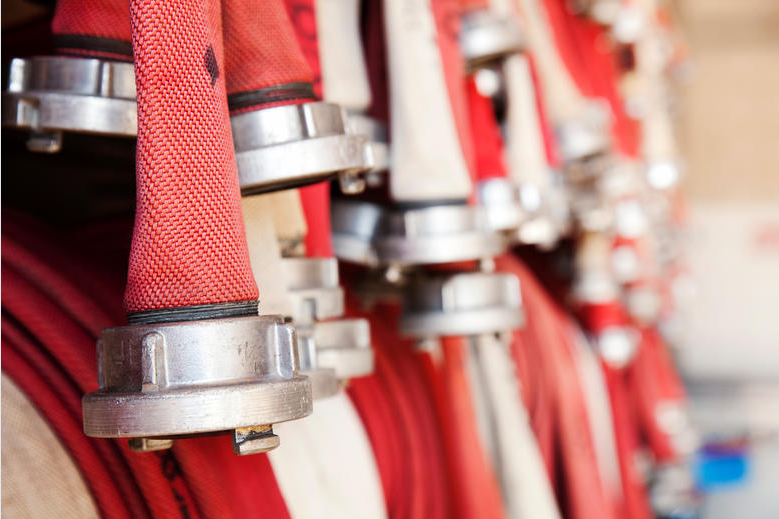
> Fire Hydrants and Hose reel
> Gas suppression systems
> Smoke Detection
> Fire Extinguishers
> Fire Pumps and Tanks
> CCTV & Excess control
Foam Suppression
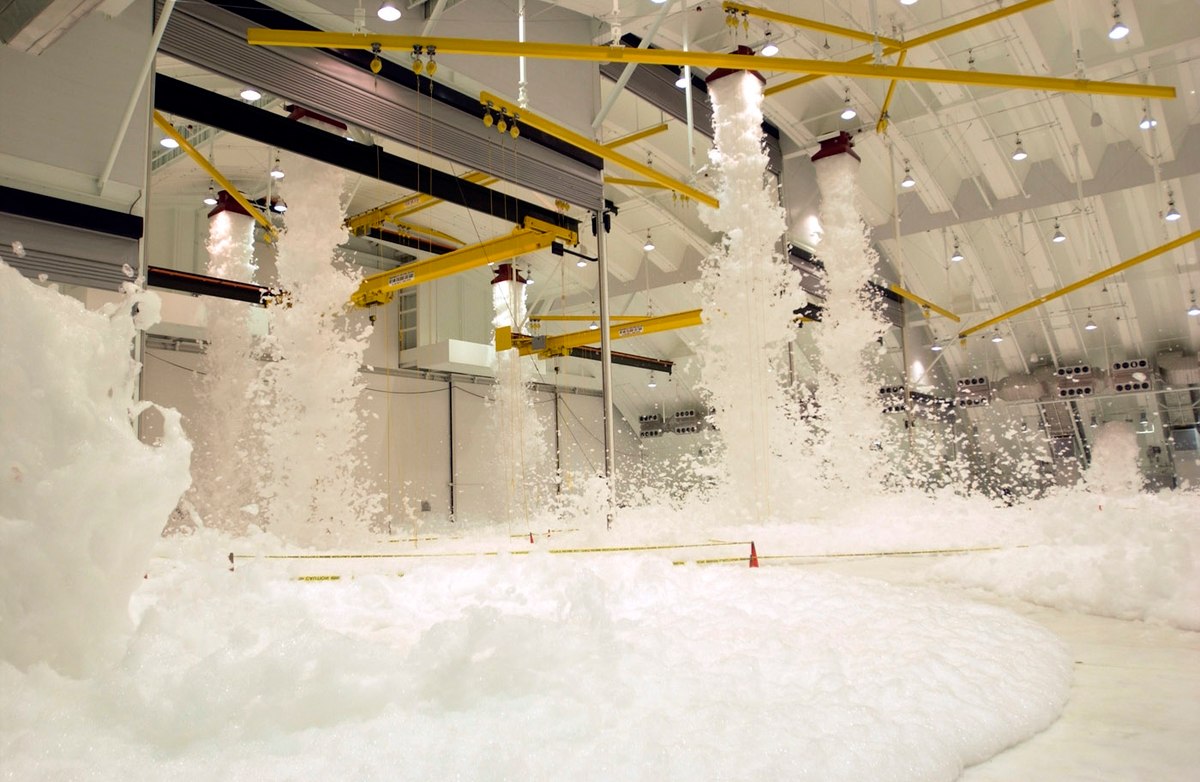
The role of the foam is to cool the fire and to coat the fuel, preventing contact with oxygen to suppress combustion. Foam fire suppression systems are used in flammable liquid storage, loading racks, processing areas, refineries, dike areas, aircraft hangars, heliports, jet engine test facilities, LNG storage/manufacturing, marine applications and warehouses.
Gas Suppression
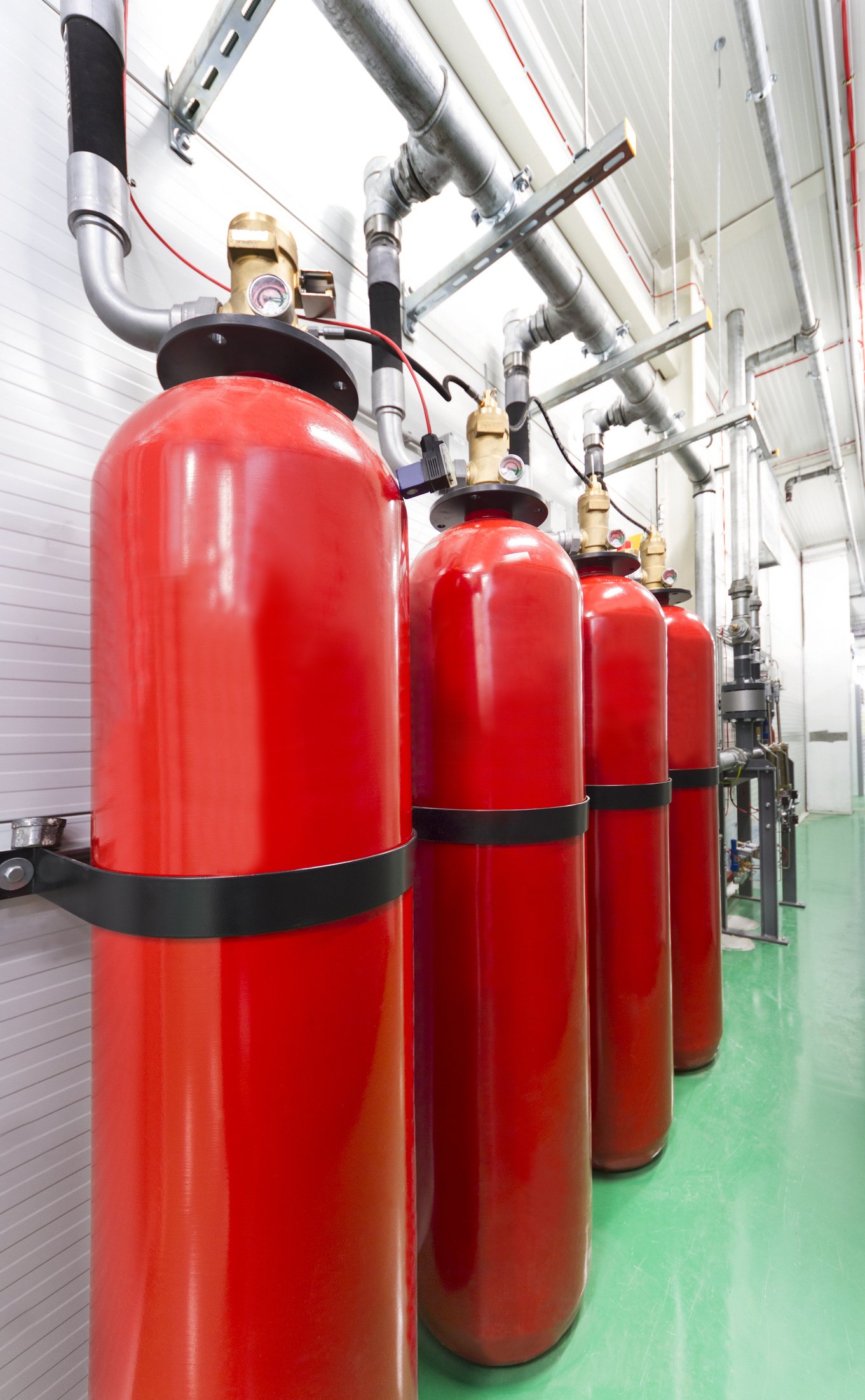
Gaseous fire suppression is a term used to describe the use of inert gases and chemical agents to extinguish fires, also known as clean agent fire suppression systems. These gaseous mixtures leave no residue behind and are designed to protect enclosures where there is a need for quick reaction to extinguishing a fire. A fire detection system is needed to trigger the gas suppression system. These clean agents are governed by the NFPA Standard for Clean Agent Fire Extinguishing Systems. Approval listings include UL, ULC, FM, SABS and MEA. Gasses we use include FM200, Novec, CO², Inergen, Pyroshield, Pro-Inert and Argonite. The most common uses for gas fire suppression systems are in server and computer rooms, MCC cabinets, museums, libraries, art galleries, archives, document stores, and medical and pharmaceutical applications.
Water Suppression
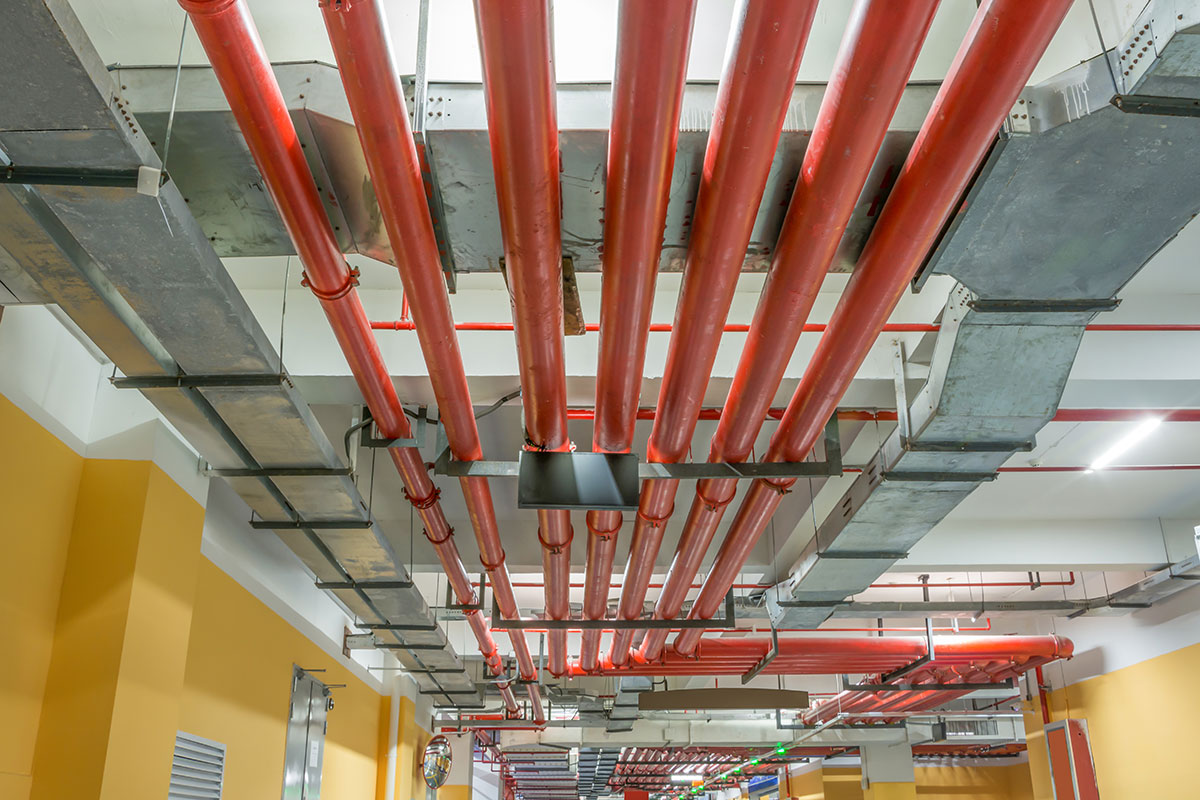
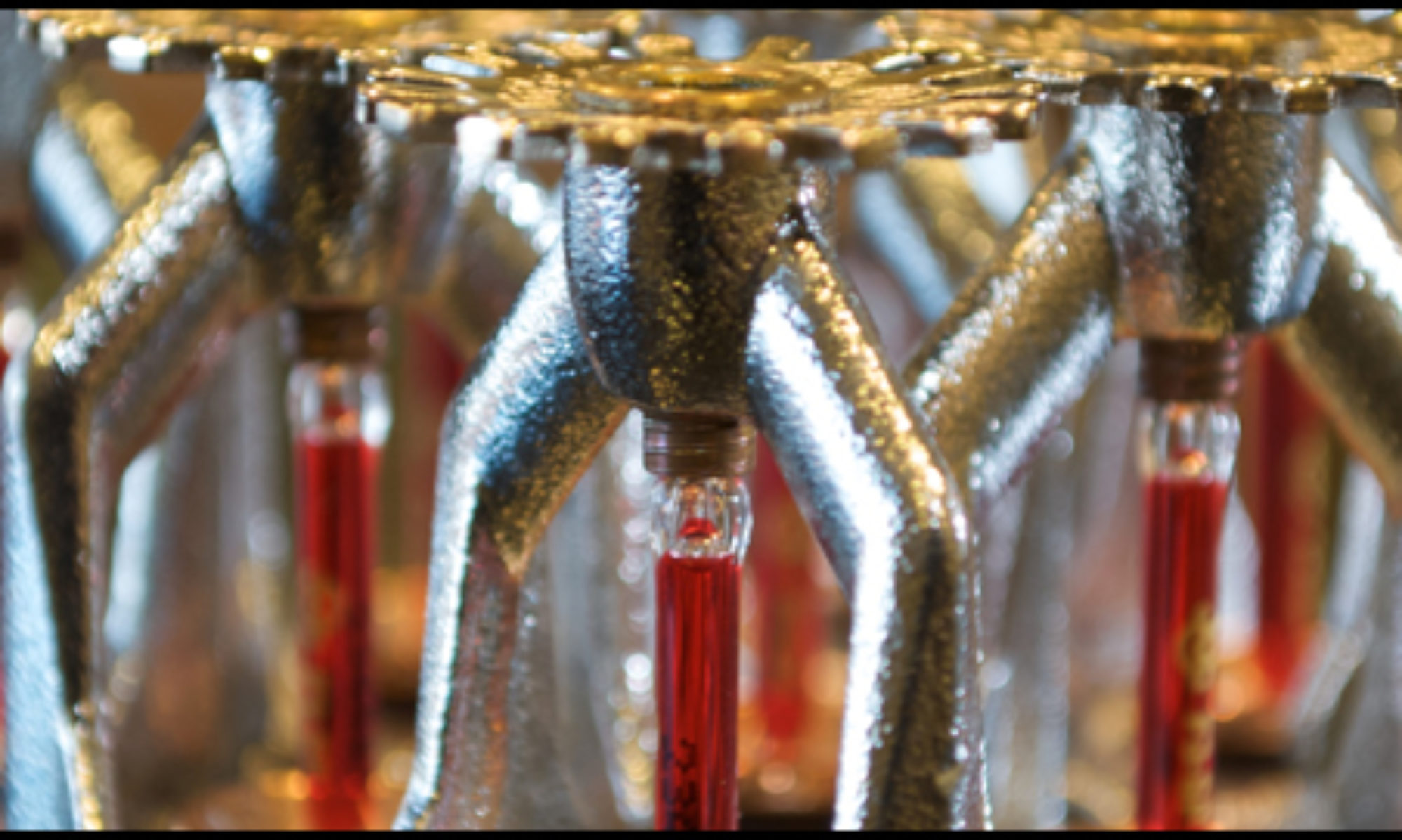
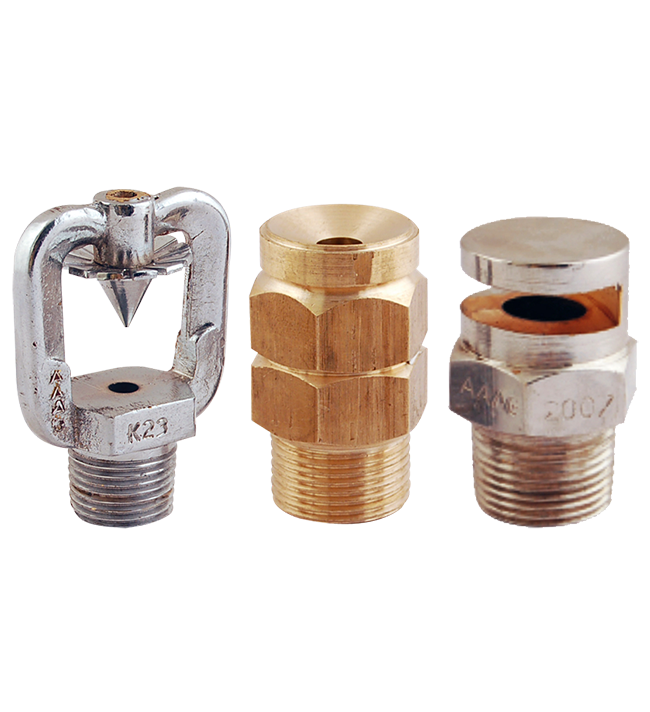
All water suppression systems are designed to industry standards and regulations. A fire sprinkler system is a pressure-bearing fire suppression measure, consisting of a water supply system which provides adequate pressure and flow rate to fire sprinklers connected to a water distribution piping system.
A fire sprinkler is the part of a fire sprinkler system that distributes water when the effects of a fire have been detected, such as when a predetermined temperature has been exceeded. Sprinkler systems are used in high rises, warehouses, shopping malls and casinos, to name only a few.
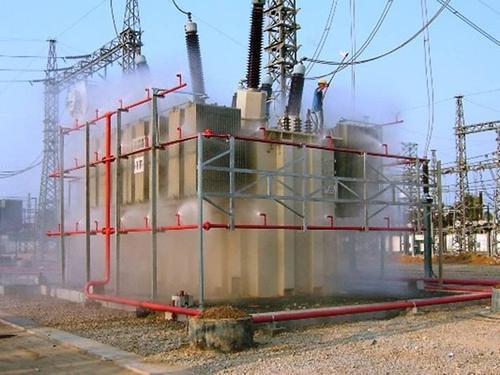
Deluge fire protection systems are engineered with water spray nozzles connected to a fire water piping system as open-ended sprinklers. The mechanical heat sensing element common to sprinkler systems is removed, and replaced by a fire detection system, engineered to be fit-for-purpose to specific areas. Common applications include power generation equipment (e.g. transformers), belt conveyors, flammable liquid storage, oil and diesel tanks and process plants.
Fire suppression is achieved by the use of medium or high velocity water spray nozzles, which can be activated manually or automatically by means of hydraulic, pneumatic or electrical fire detection systems. Water mist fire suppression systems operate by forcing water through micro nozzles at a very high pressure to create a water mist vapor. The extinguishing effects result in optimum protection by cooling, due to heat absorption and inserting due to the expansion of water by over 1 700 times when it evaporates. Water mist systems provide improved protection for personnel and assets while minimizing potential water damage, as the majority of the water mist evaporates. Water mist systems are available for total flooding, local applications and special risk areas.
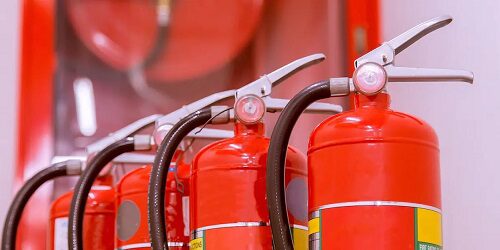
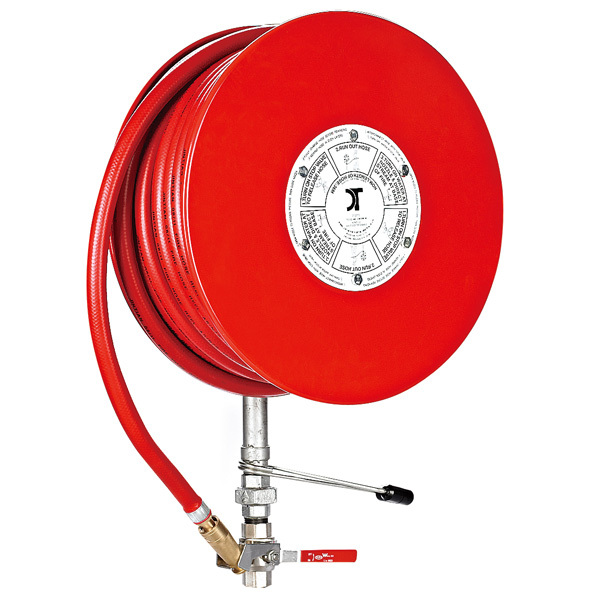
Detection, Fire Hydrants, Hosereels, Extinguishers
We design floor layouts indicating where standard fire extinguishers ranging from DCP and foam to water and CO² should be place in accordance with Standard/Regulation. DCP, foam and water extinguishers are available in:
> 1.5kg
> 2.5kg
> 4.5kg
> 9kg
> 25kg
> 50kg
CO² extinguishers are available in:
> 2kg
> 5kg
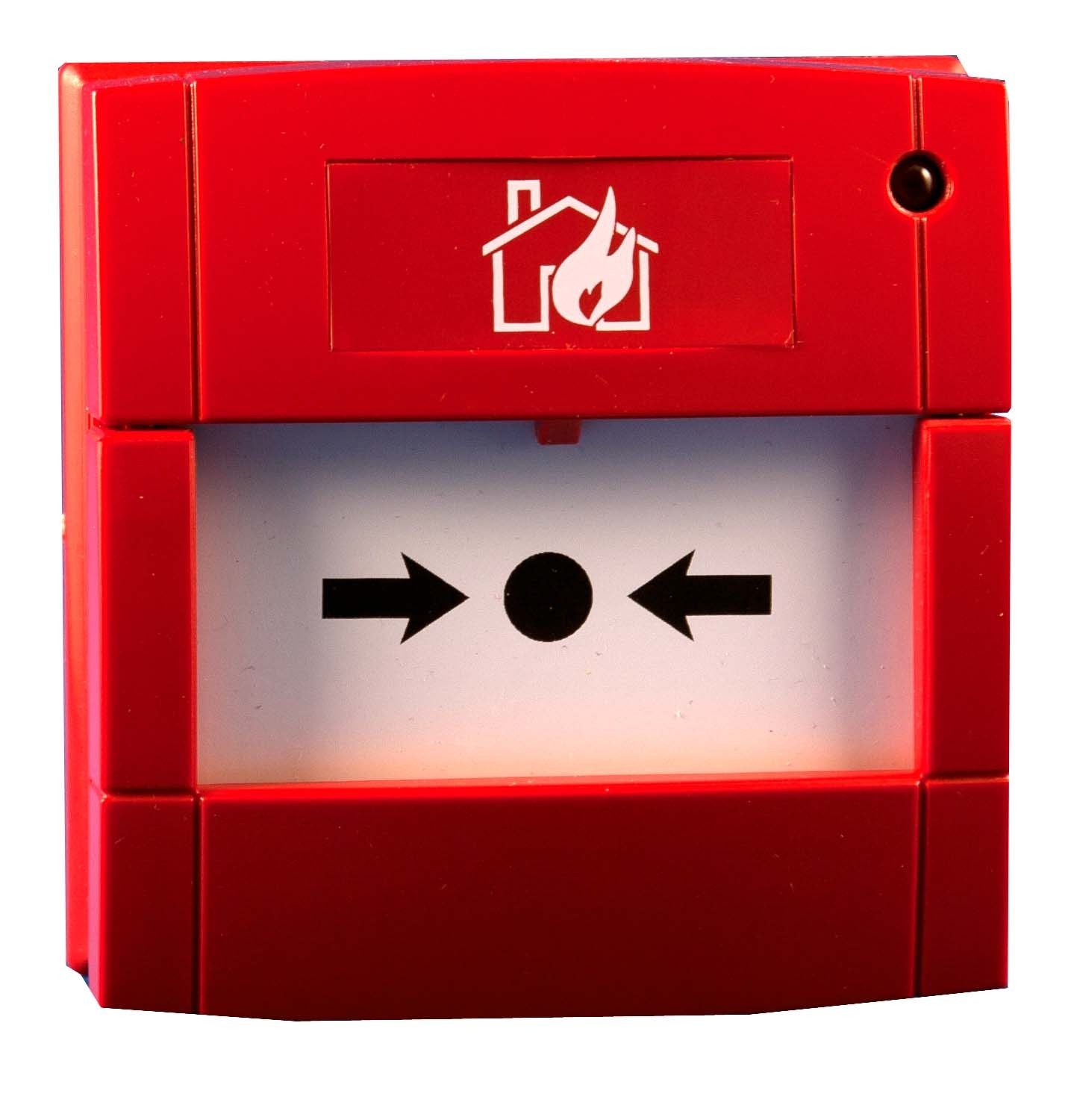
Fire Detection Our Detection designs indicate the positions of detectors, panels, manual call points etc. as well as provide a BOQ. We also provide evacuation plans and signage positioning